

Role of insurer after a car accident: your guide
Your insurer’s role after a car accident is to investigate the incident, assess liability and damages, and manage settlement payments according to your policy terms. This is the formal process known as claims management, and it begins the moment you notify your insurer of the collision. Knowing what your insurer must do, and by when, puts you in a far stronger position. Australian drivers who understand insurer obligations after a crash are less likely to accept low settlements or miss critical deadlines. This guide explains every stage of the insurance claims process after a car accident, from the first phone call to final payment.
What is the role of insurer after a car accident?
The insurer’s primary obligation is to honour the contract you paid for. That means acknowledging your claim promptly, assigning resources to investigate it, and reaching a fair decision based on your policy coverage. Insurers also carry a duty of good faith, which requires honest and timely communication throughout the process.
The insurance claims process for a car accident typically resolves in 7–30 days for straightforward cases. Complex claims involving disputed fault or multiple parties can take 30–90 days or longer. That range matters because it sets your expectations and helps you identify when an insurer is dragging its feet without cause.
Insurers are not neutral parties. They manage costs on behalf of their business while fulfilling contractual obligations to policyholders. Understanding that tension is the foundation of every smart interaction you will have with your insurer after a collision.
What are the insurer’s immediate responsibilities after an accident?
Speed matters in the early stages of a claim. Policies generally require accident reporting within 24–72 hours to avoid claim denials or reduced coverage. Missing that window can give your insurer grounds to limit what they pay, even if you were not at fault.
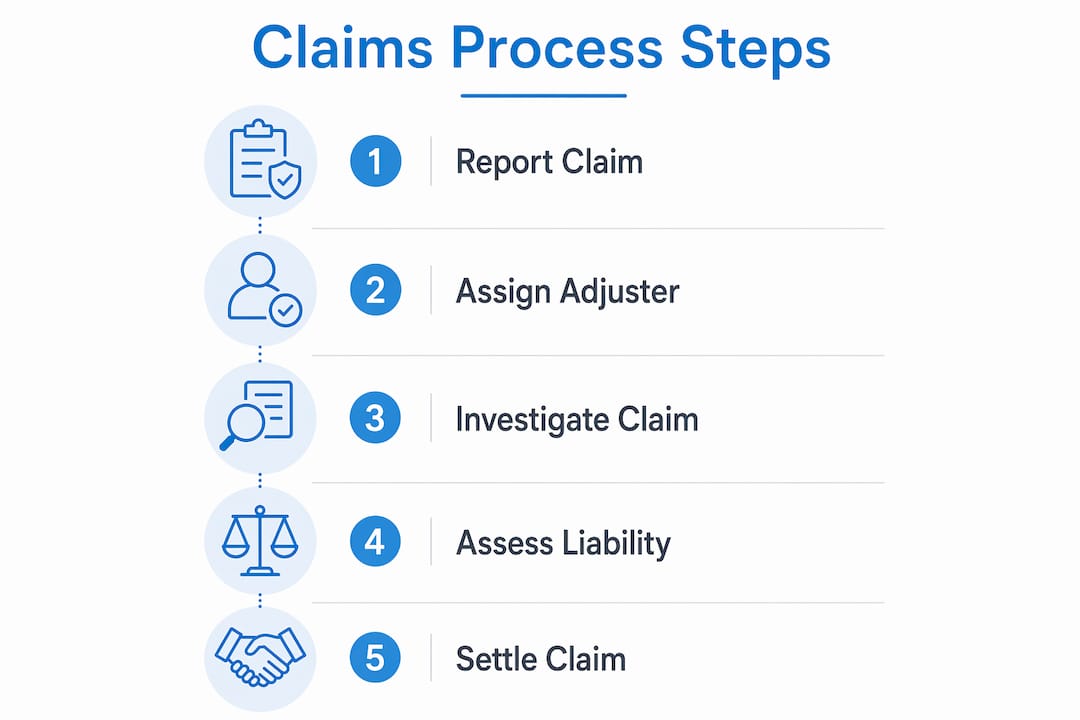
Once you report the accident, your insurer must take the following steps:
- Acknowledge receipt of your claim within a defined timeframe, typically 15 calendar days under standard regulatory requirements.
- Assign an insurance adjuster to manage the investigation and act as your primary point of contact.
- Request supporting documents, including the police report, photographs of the scene, and any witness statements.
- Contact you directly to confirm the next steps and outline what information they need from you.
- Begin the liability investigation, which involves reviewing all available evidence to determine who was at fault.
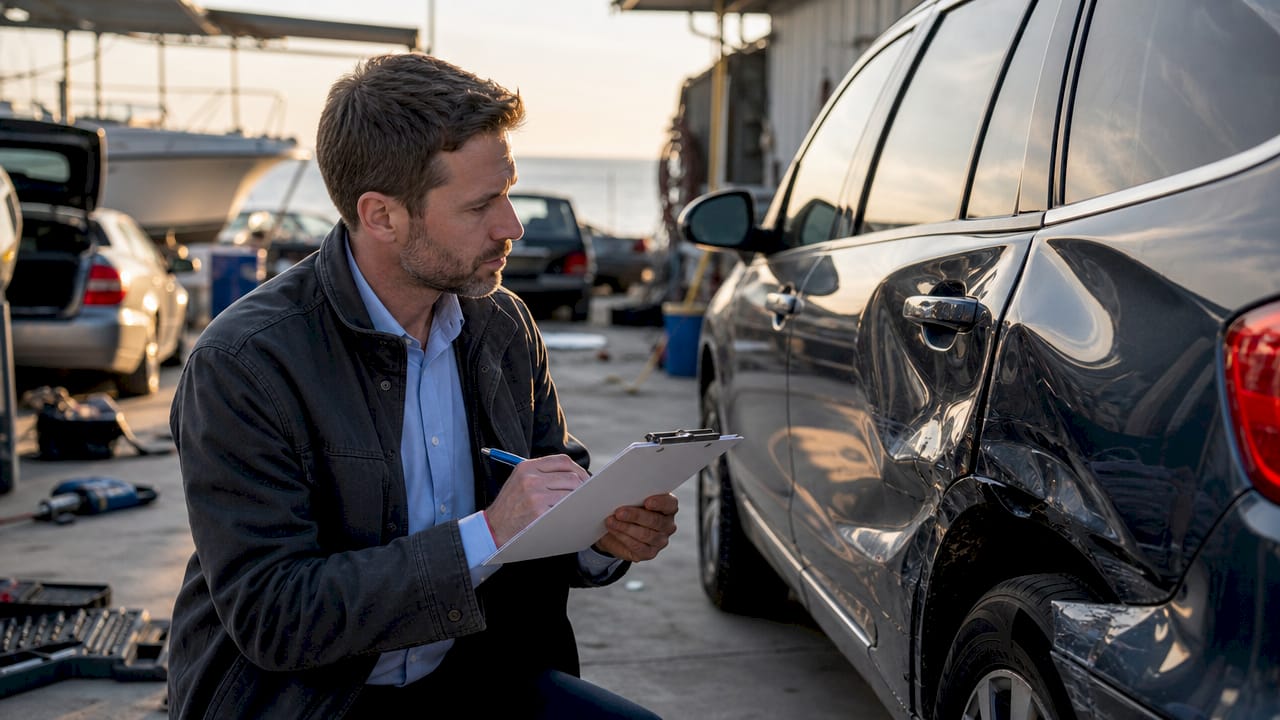
The adjuster assigned to your claim coordinates the entire investigation. They order repair estimates, review medical records if injuries are involved, and compile a report that informs the insurer’s coverage decision.
Pro Tip: Photograph everything at the scene before vehicles are moved. Insurers rely heavily on physical evidence in the first days after a crash, and gaps in documentation can slow your claim or reduce your payout.
If you did not file a police report at the scene, read the Carelawyers guide on accident claims without a police report before contacting your insurer.
How do insurers assess damage and liability in car accident claims?
Damage and liability assessment is the core of the insurance adjuster’s role. The adjuster examines physical damage to all vehicles, reviews any available traffic camera or dashcam footage, and cross-references witness accounts against the physical evidence. Their findings directly determine how much your insurer pays.
Key factors the adjuster evaluates include:
- Vehicle repair costs, based on quotes from approved repairers or the insurer’s own assessors.
- Medical expenses and injury severity, if personal injury coverage applies to your policy.
- Comparative fault, which determines the percentage of responsibility each driver carries.
- Policy limits and excesses, which cap what the insurer will pay regardless of actual damages.
- Exclusions, such as unlicensed driving or use of the vehicle for commercial purposes.
Understanding how fault is determined in a car accident claim is critical at this stage. Fault directly affects whether your insurer pays out, whether the other driver’s insurer contributes, and what excess you are required to pay.
The table below shows how different types of damage are typically assessed:
| Damage type | Assessment method | Who decides |
|---|---|---|
| Vehicle repair | Approved repairer quote or insurer assessor | Insurer or independent assessor |
| Total loss | Market value comparison | Insurer |
| Medical expenses | Medical records and specialist reports | Insurer with medical input |
| Income loss | Payslips and employer confirmation | Insurer |
| Pain and suffering | Legal and medical assessment | Often requires legal involvement |
Thorough documentation of your injuries and vehicle damage from day one gives the adjuster less room to undervalue your claim.
What are the typical timelines and communication standards insurers must follow?
Insurers operate under specific regulatory obligations in Australia. They must acknowledge claims within 15 calendar days and reach a decision within 15–21 business days of receiving all required documents. Those deadlines exist to prevent insurers from stalling indefinitely while claimants wait.
Simple claims, such as a single-vehicle collision with clear liability, typically resolve within 7–30 days. Multi-party accidents with disputed fault regularly extend beyond 30 days and can stretch to 90 days or more.
If your insurer is not meeting these standards, take the following steps:
- Keep a written log of every phone call, email, and letter, including dates, times, and the name of the person you spoke with.
- Send follow-up emails after every phone conversation to create a written record of what was discussed.
- Request written confirmation of any decision, delay, or request for additional information.
- Escalate formally by lodging a complaint with the Australian Financial Complaints Authority (AFCA) if the insurer fails to respond within the required timeframe.
Regulatory bodies provide mediation and complaint channels that can resolve disputes without litigation. AFCA is the primary avenue in Australia for insurance disputes and its decisions are binding on insurers.
Pro Tip: Request everything in writing from the start. Verbal assurances from adjusters carry no legal weight. A written trail protects you if the claim becomes disputed.
For guidance on managing a claim that has stretched beyond expected timeframes, the Carelawyers serious injury claim timeline guide outlines your legal options.
What coverage and support can claimants expect from their insurer after an accident?
Coverage depends entirely on the type of policy you hold. Australian drivers typically carry one of three levels of cover, and each comes with different insurer obligations after a crash.
| Coverage type | What it covers | Insurer’s obligation |
|---|---|---|
| Compulsory Third Party (CTP) | Personal injury to others | Pay medical and compensation costs for injured third parties |
| Third party property | Damage to other vehicles or property | Pay repair or replacement costs for third-party property |
| Comprehensive | Your vehicle plus third-party damage | Assess and pay all covered damage, arrange repairs, manage total loss |
Comprehensive cover gives you the broadest support. Your insurer will authorise repairs at an approved repairer, arrange a hire vehicle in some cases, and manage the claim against the other driver’s insurer if they were at fault. CTP cover, which is compulsory in every Australian state and territory, specifically covers personal injury claims and is managed separately from vehicle damage.
Medical claims under comprehensive or personal injury policies require supporting documentation. Your insurer will request medical reports, specialist assessments, and evidence of ongoing treatment costs. Subrogation clauses and medical liens can reduce your net settlement significantly, so clarify these obligations with your insurer or a lawyer before signing any settlement agreement.
How can claimants effectively work with insurers and protect their interests?
The most important thing to understand is that insurance adjusters represent the insurer’s financial interests, not yours. They may appear friendly and empathetic, but their role is to manage the insurer’s costs. That does not make them dishonest, but it does mean you should be measured in what you share and when.
Practical steps to protect your position:
- Do not admit fault at the scene or in early conversations with any insurer, including your own.
- Avoid giving recorded statements to the other driver’s insurer without legal advice. You have no legal obligation to provide a recorded statement to an adverse insurer.
- Do not accept the first settlement offer without verifying it covers all your actual losses, including future medical costs.
- Cooperate with your own insurer’s investigation. Non-cooperation can lead to policy non-renewal, even if the other driver was entirely at fault.
- Seek legal advice early if your injuries are serious, fault is disputed, or the insurer is delaying without explanation.
Insurers sometimes delay claims deliberately by repeatedly requesting additional information. This tactic creates financial pressure on claimants to accept lower settlements. Recognising this pattern early gives you time to respond through formal channels rather than accepting an inadequate offer.
Pro Tip: Do not discuss your injuries in detail with any adjuster until you have received a full medical assessment. Early statements about feeling “fine” or “not too bad” are regularly used to minimise injury payouts.
Key takeaways
Your insurer’s core obligation after a car accident is to investigate promptly, assess damages fairly, and settle your claim within regulated timeframes, and knowing those obligations protects your right to full compensation.
| Point | Details |
|---|---|
| Report within 24–72 hours | Late reporting can reduce or void your coverage, even if you were not at fault. |
| Insurers must acknowledge claims within 15 days | Regulatory deadlines exist; document all contact and escalate via AFCA if breached. |
| Adjusters work for the insurer | They assess your claim in the insurer’s financial interest, not yours. |
| Coverage type determines support | Comprehensive cover provides the broadest insurer obligations after a crash. |
| Seek legal advice for complex claims | Disputed fault, serious injuries, or insurer delays all warrant professional legal input. |
What I have seen claimants get wrong most often
After years working with people navigating car accident claims in Sydney, the pattern I see most often is this: claimants treat the first adjuster call as a friendly chat. They describe their injuries before a doctor has assessed them. They accept the first repair quote without question. They assume the insurer is working toward the same outcome they are.
The insurer is not your adversary, but it is not your advocate either. It is a business managing a financial exposure. The adjuster’s job is to close your file at the lowest defensible cost. That is not cynicism. That is how the system works.
What actually protects claimants is documentation, patience, and knowing when to stop talking. Write down everything. Get medical clearance before describing your condition to anyone. Do not sign anything until you understand what you are releasing. And if the insurer starts requesting the same documents repeatedly, that is not disorganisation. That is a recognised delay tactic, and you should escalate immediately.
The claimants who get fair outcomes are the ones who treat the process like a business transaction, not a favour. Your insurer owes you a duty of good faith. Hold them to it.
— Daniel
When legal support makes a real difference in your claim
Car accident claims that involve injuries, disputed fault, or insurer delays are rarely straightforward. Having a lawyer review your claim early can prevent costly mistakes and ensure your insurer meets every obligation it owes you.

Carelawyers specialises in car accident claims across Sydney and NSW, with a no win, no fee guarantee and a success rate of over 99% of claims won. The team works directly with clients, without middlemen, to manage insurer communications, challenge low offers, and pursue full compensation. If your claim has stalled or you are unsure whether your insurer is meeting its obligations, Carelawyers offers a free initial consultation to assess your position. You can also read the serious injury claim timeline guide to understand your legal options if timelines have already been missed.
FAQ
What does an insurer do immediately after a car accident?
Your insurer must acknowledge your claim within 15 calendar days, assign an adjuster to investigate, and request supporting documents such as police reports and photographs. The adjuster then assesses liability and damage before the insurer makes a coverage decision.
How long does an insurance claim take after a car accident?
Simple claims typically resolve in 7–30 days. Complex claims involving disputed fault or multiple parties can take 30–90 days or longer, depending on the evidence available and the insurer’s responsiveness.
Do I have to give a recorded statement to the other driver’s insurer?
No. You have no legal obligation to provide a recorded statement to an adverse insurer. Seek legal advice before agreeing to any recorded interview, as early statements can be used to reduce your payout.
What happens if my insurer delays my claim without explanation?
Document every contact attempt and formally escalate to the Australian Financial Complaints Authority (AFCA). AFCA can compel insurers to respond and its decisions are binding, making it an effective first step before litigation.
What is the difference between CTP and comprehensive insurance after an accident?
Compulsory Third Party (CTP) insurance covers personal injury to others and is mandatory in every Australian state and territory. Comprehensive insurance covers damage to your own vehicle and third-party property, giving you broader insurer support after a collision.


